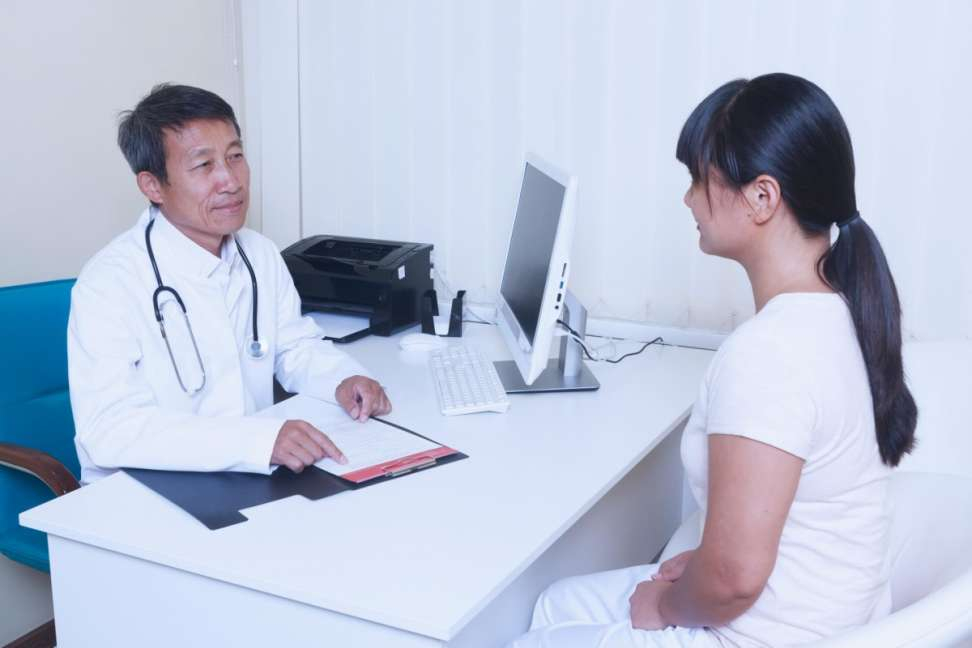
美容クリニックで行われている豊胸施術が、今大きな人気を集めています。なぜ豊胸施術を受ける女性が、多くいるのでしょうか。その理由はプロポーションにこだわりを持っている人が多いことや、美容整形技術の進化によって施術方法の選択肢が増えたことにありそうです。参考情報>豊胸手術大阪
豊胸が人気となっている理由や、最新の施術方法について詳しくチェックしていきましょう。
豊かなバストに憧れる人が多い
形よく豊かなバストは、女性のボディラインを魅力的に演出してくれるものです。バストサイズがそれなりにあれば、キャミソールやワンピースなどの洋服もきれいに着こなすことができます。バストサイズの理想は人によって異なりますが、日本人女性の場合、CカップからDカップ程度を理想的と考える人が多い傾向です。
女性らしさを強調できる、程よいサイズだといえるでしょう。しかし日本人女性のバストサイズに関するデータをチェックすると、AカップからBカップ程度の人も多いことがわかります。理想のサイズにあとほんのちょっとだけ足りない、そう考えている人が意外と多くいるのかもしれません。
コンプレックスを解消したいと考え、豊胸施術を受ける人も多くいるでしょう。小さいバストには痩せて見える、垂れにくいなどのメリットもありますが、子供体型に見えてしまうというデメリット面もあります。
自分は大人の女性らしい魅力に欠けている、そんなコンプレックスを感じて、悩んでいる人も少なくありません。
自力でバストアップを実現するのは難しい
自力でバストのボリュームをアップするのが難しい、というのも豊胸施術が人気となっている理由の一つでしょう。痩せたい、細くなりたいという場合は、ダイエットをすれば理想を叶えることも可能です。
理想体重を実現するのは大変ではありますが、食事制限や運動などを根気よく続けていけば、痩せることができます。しかしバストのボリュームを増やすことは、簡単ではありません。バストアップサプリを飲んだり、エクササイズなどを行ってもなかなかサイズアップしない、と悩んでいる人は多いでしょう。
美容クリニックの豊胸施術を受ければ、ほぼ確実にバストのサイズをアップさせることができます。
アンチエイジングのため施術を受ける人も
加齢によるボディラインの崩れが気になる、バストトップが下がってきた、そんな理由で豊胸施術を受ける人も多いようです。バストを支えているクーパー靭帯は、衝撃や圧力を受けることによって、伸びたり切れたりするといわれています。
また年齢を重ねるとホルモンのバランスが変化し、バストを構成する乳腺と脂肪の比率が変化してしまうため、形が崩れるなどの問題が起きやすくなるのです。乳腺による影響が低下し、脂肪分が多くなったバストは、全体的に柔らかくなりハリが低下します。
クーパー靭帯へのダメージは、バストをきちんと支えるブラジャーを装着し、衝撃が加わらないよう気をつけることである程度予防できるでしょう。しかしクーパー靭帯は、一度伸びたり切れたりしてしまうと、元の状態に戻すことはできません。
ホルモンバランスの変化は加齢に伴う自然なものですから、完全に食い止めることは難しいでしょう。エクササイズによって胸筋を引き締めたり、補正下着を使用することによって、加齢によるバストの崩れやサイズダウンをある程度予防することは可能です。
しかし一旦ボリュームダウンしてしまったバストを、自力でもう一度復活させるのは、難しいといえます。美容クリニックの豊胸施術なら、デコルテ部分が痩せてしまった、バスト全体にハリがなくなった、などの悩みを解決することが可能です。
気になる部分にボリュームをプラスし、理想としているバストラインに近づけることができます。
皮膚を切開しなくても豊胸できる
昔は豊胸施術の種類が少なく、外科手術を伴う方法が一般的でした。わきの下などの皮膚を一部切開し、柔らかいシリコンバッグを詰める、というものです。現代は、シリコンバッグを使った方法だけでなく、皮膚を切開しない施術も行われています。
ごく細い針を持つ注射器のみを使用して施術が行われるため、傷跡が目立つリスクがなく、入院をする必要もありません。選択肢が増え、手軽に施術を受けられるようになったことで、以前よりも豊胸に関心を持つ方が増えるようになりました。
ダウンタイムが短いヒアルロン酸注入
皮膚を切開しない代表的な豊胸施術として、ヒアルロン酸注入が挙げられます。ヒアルロン酸は保湿化粧品などにも用いられている、非常に保水性の高い成分です。液状ですから、注射器によってバストのボリュームを増やしたい部分に、注入することができます。
この方法のメリットは、ダウンタイムが短く、副作用のリスクが低いという点にあるでしょう。日帰りで受けて翌日からシャワーを浴びることもできる、手軽な施術方法です。注入後、ヒアルロン酸は徐々に体内へと吸収されていくため、バストアップ効果も徐々に薄れていきます。
半永久的な効果を得ることはできませんが、ごく自然な見た目に仕上げることが可能であり、破損などの心配もありません。ちょっとだけバストアップをしたい、ふっくらとした印象のバストを作りたい、そんな場合に適した施術方法だといえるでしょう。
レントゲンに写り込むリスクがない、というのもヒアルロン酸注入のメリットです。シリコンバッグを入れた場合、病院でレントゲン撮影を行うと、影が写り込んでしまう可能性があります。ヒアルロン酸注入は、手軽に受けられるだけでなく、人に知られるリスクが少ない豊胸方法なのです。
自然な仕上がりが魅力のプラズマジェル注入
自己血液を使用した豊胸施術も、その手軽さと仕上がりの自然さから人気を集めています。採血を行い、血液を遠心分離させてプラズマジェルを作成し、バストに注入するという方法です。自分自身の血液を材料としているため、アレルギーを引き起こすリスクがありません。
人工的な製剤を体に入れたくない、そんな人から選ばれている豊胸施術です。ヒアルロン酸注入と同様に、施術は注射器によって行われますので、皮膚を切開することはありません。施術にかかる時間はおよそ40分から1時間程度とされており、術後のダウンタイムもほぼ不要とされています。
一度の施術で2カップ分ほどサイズアップをすることが可能であり、すぐに理想のバストになれる即効性の高い豊胸方法として、多くの人に選ばれています。